How IoT Vertical Farming Boosted Our Yields by 60% at Dhoran
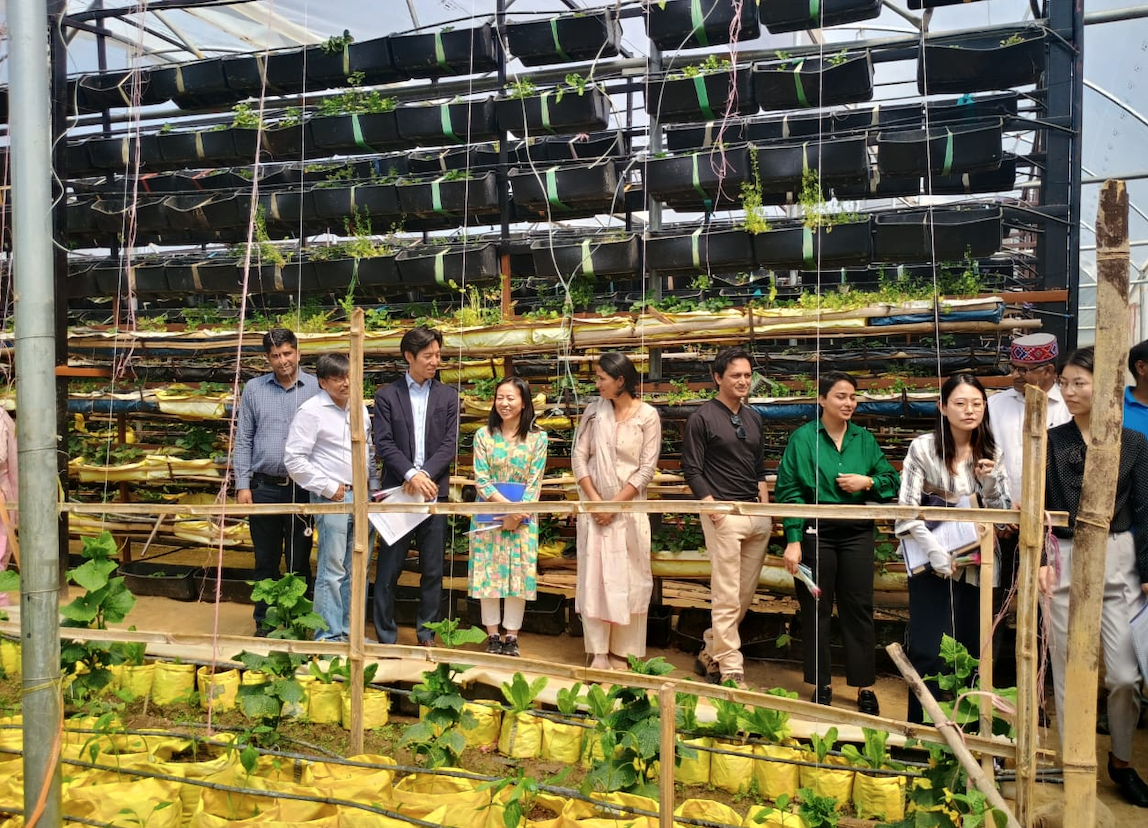
When we first set up our vertical farm at Village Dhoran, Tehsil Palampur, we faced the same challenges as every farmer in the region — unpredictable monsoons, pest pressure, and the difficulty of maintaining consistent crop quality across growing cycles. The difference was that we decided to wire the entire facility with real-time sensors from day one.
What the IoT System Monitors
Our precision network tracks soil moisture at multiple root-zone depths, substrate pH, ambient temperature, humidity, and light intensity — all updated in real time to a central dashboard accessible via mobile. When pH drifts outside the optimal window for, say, Arugula or Basil, the system flags it before the plant shows any visible stress.
Drip irrigation is coupled directly to soil moisture thresholds. This single integration has reduced our water consumption by 90% compared to traditional surface irrigation methods — a critical advantage in a region where Himalayan spring sources must be stewarded carefully.
The 60% Yield Number — Where It Comes From
The 60% yield improvement we've recorded — and that our partner farmers have independently reported after adopting our IoT setups — comes from three compounding factors: eliminating nutrient stress through precision fertigation, removing pest-related crop loss through biological controls triggered by sensor data, and shortening the crop cycle through optimised climate control. Together, these effects translate to more harvests per year and far less wastage per harvest.
What's Next
We are currently developing a mobile app dashboard that will allow our 70+ partner farmers to monitor their own IoT setups remotely. The goal is to make precision farming accessible to small landholders across Himachal Pradesh — not just those with large facilities like ours. If you're interested in deploying this technology on your farm, get in touch with us.